
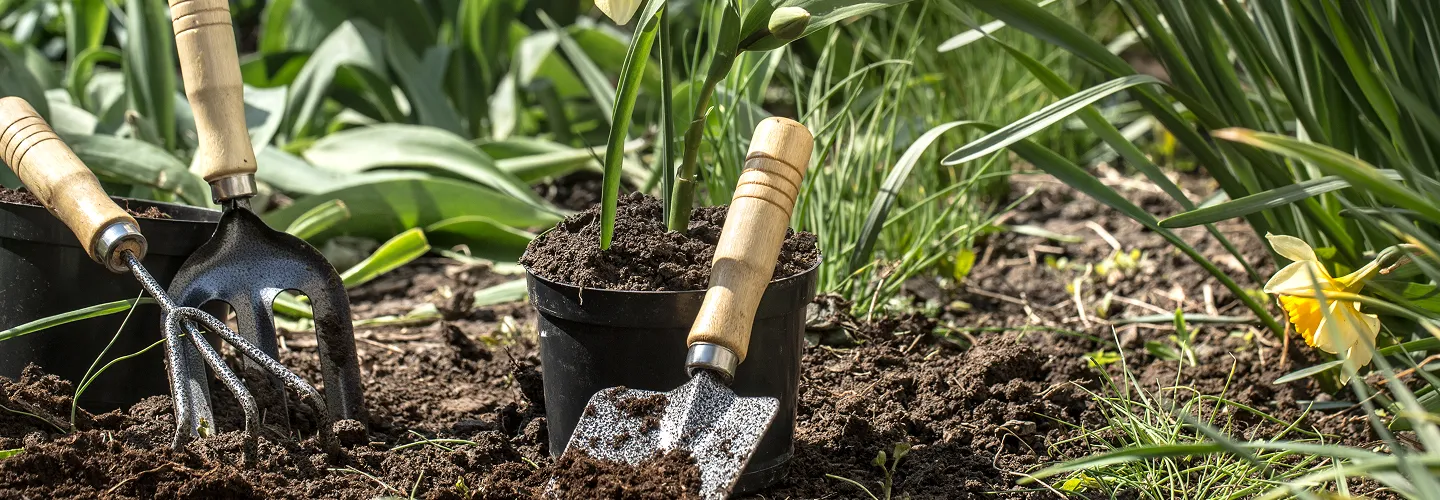
Central Scottsdale Lawn Renovation Services
Choose our Lawn Renovation services for a lush, healthy yard—our experienced team uses proven techniques and premium materials to transform tired grass into a vibrant, resilient landscape you’ll love.
Get a Free QuoteOur Central Scottsdale Landscaping & Yard Care Services
When to Schedule Lawn Renovation in Central Scottsdale, Arizona – Seasonal Guide
In Central Scottsdale, timing your lawn renovation is crucial for achieving a lush, resilient yard that thrives in our unique desert climate. The best periods for lawn renovation are typically late spring and early fall, when temperatures are moderate and the risk of extreme heat or unexpected frost is minimal. Neighborhoods near McCormick Ranch and Gainey Ranch, for example, benefit from scheduling renovations after the last frost date in March and before the intense summer heat sets in.
Local environmental factors play a significant role in determining the optimal renovation window. Scottsdale’s sandy soils, variable humidity, and occasional drought conditions require careful planning. Areas with dense shade from mature mesquite or palo verde trees, such as those found near Chaparral Park, may need a different approach compared to open, sun-exposed lawns. Additionally, it’s important to stay informed about municipal watering restrictions and seasonal precipitation patterns, which can be found on resources like the Sudbury municipal website.
Local Factors to Consider for Lawn Renovation in Central Scottsdale
- Tree density and shade coverage from native species
- Soil composition (sandy vs. clay)
- Proximity to landmarks like McCormick Ranch or Chaparral Park
- Seasonal precipitation and drought risk
- Local frost dates (typically late February to early March)
- Municipal watering restrictions and guidelines
- Terrain and drainage patterns
Benefits of Lawn Renovation in Central Scottsdale
Expert Local Landscaping Knowledge
Customized Lawn Renovation Plans
Efficient Water-Saving Solutions
Premium Quality Turf and Materials
Timely Project Completion
Comprehensive Lawn Care Support
Central Scottsdale Lawn Renovation Types

Sod Installation
-
Artificial Turf Replacement
-
Soil Amendment and Grading
-
Overseeding and Lawn Reseeding
-
Irrigation System Upgrades
-
Weed and Pest Control Solutions
-
Drought-Tolerant Lawn Conversions
Our Lawn Renovation Process
Site Evaluation
Soil Preparation
Seeding or Sodding
Watering and Fertilization
Ongoing Maintenance
Why Choose Central Scottsdale Landscape Services
-
Central Scottsdale Homeowners Trust Us
-
Expert Lawn Maintenance
-
Reliable Irrigation Solutions
-
Competitive Pricing
-
Professional Team
-
Satisfaction Guarantee
-
Personalized Service
Coordinating Lawn Renovation Projects with Central Scottsdale's Municipal Development Services
Lawn renovation in Central Scottsdale often involves more than surface-level turf replacement. Projects that include grade correction, irrigation system modifications, or soil import may require coordination with the city's development review process. Scottsdale's Planning & Development division oversees site work that could affect drainage patterns, right-of-way areas, or neighboring properties. Residents and property managers should verify whether their renovation scope triggers any site-plan or grading review, particularly on lots adjacent to washes or retention basins.
- Confirm whether grade changes or soil import require a grading permit through the city's development services intake
- Coordinate irrigation modifications with Scottsdale Water Conservation programs to ensure compliance with current water-use efficiency standards
- Dispose of removed turf, old sod, and excavated soil through approved channels; verify bulk green waste and debris disposal procedures with the city before hauling
Scottsdale Planning & Development
7447 E Indian School Rd, Scottsdale, AZ 85251
Official Website: Scottsdale Planning & Development
How Central Scottsdale's Alkaline Soils and Desert Heat Shape Lawn Renovation
Central Scottsdale sits within USDA Hardiness Zone 10a, firmly in the Phoenix metro low-desert environment. The area's soils are predominantly alkaline sandy loams, frequently underlain by caliche hardpan at varying depths. These conditions directly affect every phase of lawn renovation, from soil correction to turf establishment. Properties in Central Scottsdale commonly exhibit salt accumulation from years of irrigation with mineral-rich municipal water, which degrades turf density and root health over time.
- Caliche layers restrict root penetration and drainage; renovation projects often require mechanical breaking or removal of hardpan before new turf can establish
- Soil alkalinity (pH commonly above 8.0) limits nutrient availability, particularly iron and phosphorus, requiring targeted soil amendments during renovation
- Reflected heat from block walls, concrete driveways, and patios intensifies turf stress along property edges, accelerating wear in these zones
- Monsoon runoff during July through September can erode freshly graded surfaces and wash away seed or amendments if drainage is not properly addressed before renovation begins
The USDA Web Soil Survey provides parcel-level soil data that can help identify specific subsurface conditions before work begins.
Navigating Central Scottsdale's Regulatory Requirements for Lawn Renovation
Lawn renovation projects in Central Scottsdale must account for several layers of regulatory compliance. Scottsdale's zoning codes may impose landscape standards on visible frontage areas, particularly in planned developments and areas governed by HOA design guidelines. Property owners should review applicable requirements through Scottsdale Zoning Codes & Ordinances before altering turf coverage or converting lawn areas.
- Any renovation involving pesticide or herbicide application during site preparation must be performed by applicators licensed through the Arizona Department of Agriculture
- Stormwater protection is governed under Arizona's Phase II MS4 program; sediment, fertilizer, and soil amendments must not enter storm drains, washes, or retention basins during renovation, consistent with ADEQ stormwater requirements
- Irrigation system changes tied to renovation should align with the Arizona Department of Water Resources landscaping guidance, which emphasizes efficient water use in active management areas
Scottsdale Environmental Initiatives, Sustainability & Compliance
Official Website: Scottsdale Environmental Initiatives, Sustainability & Compliance
Timing and Methods for Lawn Renovation in Central Scottsdale's Climate
Professional lawn renovation in Central Scottsdale follows timing windows dictated by turf biology and extreme heat cycles. Bermudagrass, the dominant warm-season turf in the low desert, enters active growth from late April through September. This period represents the primary window for renovation activities including soil correction, re-grading, and re-establishment. The University of Arizona Cooperative Extension provides regionally calibrated guidance on turf recovery and establishment timing.
- Soil correction: Gypsum applications address sodium accumulation, while sulfur amendments can lower pH in heavily alkaline zones; both should be incorporated before new turf is planted
- Grade repair: Settlement common in subdivisions built on compacted fill should be corrected to restore positive drainage away from structures and toward designated retention areas
- Irrigation audit: Renovation should include a full audit of sprinkler head coverage, pressure uniformity, and timer programming; uneven coverage is a leading cause of turf decline in Central Scottsdale
- Turf re-establishment: Sod installation during active bermudagrass growth (May through August) allows rapid rooting, though irrigation frequency must be carefully managed to prevent runoff into adjacent hardscape or storm infrastructure
- Overseeding coordination: If winter ryegrass overseeding is planned, renovation should be completed well before the October overseeding window to allow warm-season turf to recover fully
Refer to the Turfgrass Maintenance Guide for Low Elevation Arizona for species-specific recovery benchmarks.
What Neighborhoods Do We Serve Throughout Central Scottsdale, AZ?
- McCormick Ranch — Established lots with mature irrigated turf areas frequently require renovation to address compaction, salt buildup, and aging irrigation infrastructure adjacent to community lakes and waterways.
- Gainey Ranch — Large residential parcels with extensive lawn areas often experience uneven grade settlement and reflected heat stress from surrounding masonry walls and patios.
- Indian Bend — Properties near the Indian Bend Wash greenbelt may face drainage considerations and wash-adjacency requirements during any grade correction or soil import work.
- Scottsdale Ranch — Subdivision-era fill soils and caliche layers are common, making subsurface preparation a critical component of effective lawn renovation on these lots.
- Via Linda Corridor — Mixed residential properties along this corridor encounter varying soil profiles and irrigation system ages, requiring site-specific renovation planning.
- Chaparral Park Area — Older residential lots near Chaparral Park often have compacted soils and legacy irrigation systems that benefit from comprehensive renovation rather than patchwork repair.