
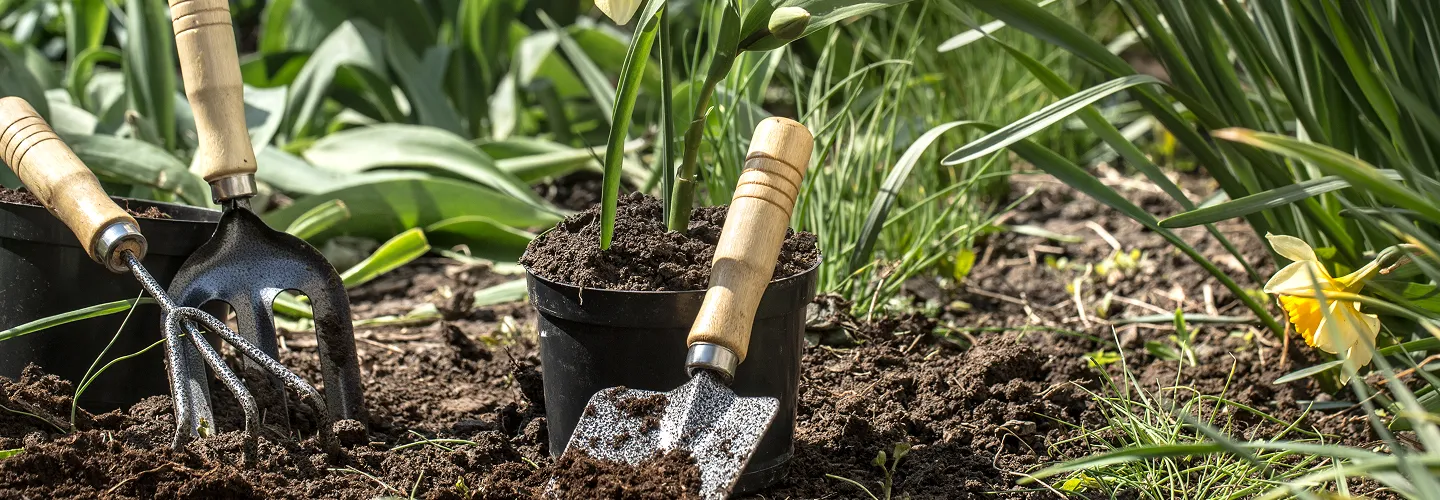
Central Scottsdale Hydroseeding Services
Choose our hydroseeding services for a cost-effective, eco-friendly way to achieve a thick, healthy lawn quickly—perfect for Scottsdale’s unique climate and your busy lifestyle.
Get a Free QuoteOur Central Scottsdale Landscaping & Yard Care Services
When to Schedule Hydroseeding in Central Scottsdale, Arizona – Seasonal Guide
Hydroseeding in Central Scottsdale is most effective when timed with the region’s unique climate and landscape features. The ideal window typically falls between late February and early April, or again in late September through October, when soil temperatures are warm enough to encourage rapid germination but before the intense summer heat or winter frost sets in. Neighborhoods like Gainey Ranch and McCormick Ranch benefit from these optimal planting periods, as the milder temperatures and moderate rainfall help new lawns establish strong root systems.
Local environmental factors play a significant role in determining the best time for hydroseeding. Scottsdale’s arid climate, with its low humidity and sporadic rainfall, means that soil moisture must be carefully managed. Areas near the Arizona Canal or Chaparral Park may experience slightly different microclimates, affecting how quickly seeds take root. It’s also important to consider municipal watering restrictions, which can impact post-seeding care. For more information on local guidelines, visit the official municipal resource.
Local Factors to Consider for Hydroseeding in Central Scottsdale
- Tree density and shade coverage, especially in established neighborhoods like Paradise Valley Village
- Soil composition, such as sandy or clay-heavy soils common in the region
- Terrain slope and drainage patterns, which affect water retention
- Seasonal precipitation trends and drought risk
- Municipal watering schedules and restrictions
- Proximity to natural features like the McDowell Sonoran Preserve
By considering these local factors, homeowners can ensure their hydroseeding project achieves the best possible results for a lush, resilient lawn.
Benefits of Hydroseeding in Central Scottsdale
Fast Lawn Establishment
Cost-Effective Landscaping Solution
Erosion Control for Sloped Areas
Uniform Grass Coverage
Environmentally Friendly Process
Custom Seed Blends for Local Climate
Central Scottsdale Hydroseeding Types

Erosion Control Hydroseeding
-
Native Grass Hydroseeding
-
Wildflower Hydroseeding
-
Sports Turf Hydroseeding
-
Commercial Lawn Hydroseeding
-
Residential Lawn Hydroseeding
-
Sloped Area Hydroseeding
Our Hydroseeding Process
Site Preparation
Soil Conditioning
Hydroseed Application
Watering and Maintenance
Growth Monitoring
Why Choose Central Scottsdale Landscape Services
-
Central Scottsdale Homeowners Trust Us
-
Expert Lawn Maintenance
-
Reliable Irrigation Solutions
-
Competitive Pricing
-
Professional Team
-
Satisfaction Guarantee
-
Personalized Service
Navigating Central Scottsdale's Development Review Process for Hydroseeding Projects
Hydroseeding in Central Scottsdale requires coordination with municipal departments when projects involve grading, slope modification, or work adjacent to drainage corridors and rights-of-way. The City of Scottsdale's Planning and Development division oversees site work review for projects that alter existing grade or affect stormwater flow patterns, and property owners should confirm whether their hydroseeding scope triggers any development review requirements before mobilizing equipment. Projects near washes, retention basins, or public infrastructure may require additional documentation demonstrating that the applied slurry will not migrate into drainage systems during irrigation or monsoon events.
- Confirm grading or site disturbance thresholds with the city before beginning slope preparation
- Coordinate with the city's environmental compliance programs when working near wash corridors or retention areas
- Review landscape design standards if the project involves frontage or publicly visible slopes
Scottsdale Planning & Development
7447 E Indian School Rd, Scottsdale, AZ 85251
Official Website: Scottsdale Planning & Development
Scottsdale Environmental Initiatives, Sustainability & Compliance
7447 E Indian School Rd, Scottsdale, AZ 85251
Official Website: Scottsdale Environmental Initiatives, Sustainability & Compliance
How Central Scottsdale's Desert Soils and Heat Affect Hydroseeding Establishment
Central Scottsdale sits within the Phoenix metro low desert, classified in USDA Hardiness Zone 10a, where summer surface temperatures regularly exceed 110°F and soils are predominantly alkaline sandy loam with frequent caliche layers at shallow depth. These conditions directly influence hydroseeding outcomes in several ways:
- Caliche obstruction: Hardpan caliche layers impede root penetration and water infiltration, often requiring mechanical scarification or ripping before slurry application to ensure adequate seed-to-soil contact
- Alkaline pH: Soil pH commonly ranges from 7.5 to 8.5, which can limit nutrient availability for germinating seedlings and may necessitate soil amendments within the hydroseed mix
- Rapid surface drying: Intense solar radiation and low humidity cause applied slurry to crust quickly, demanding frequent light irrigation cycles during the establishment window
- Monsoon runoff: July through September monsoon storms produce sudden, intense rainfall that can wash unseated slurry off slopes and into washes or retention basins, making pre-monsoon establishment timing critical
The University of Arizona Cooperative Extension provides region-specific guidance on turf species selection suited to these low-desert conditions.
Central Scottsdale's Stormwater and Erosion Compliance Requirements for Hydroseeding
Hydroseeding projects in Central Scottsdale must account for federal, state, and local stormwater regulations, particularly when work occurs on slopes, near washes, or on sites exceeding one acre of disturbance. The Clean Water Act establishes the regulatory framework, and the Arizona DEQ Phase II MS4 program governs municipal stormwater discharge requirements that apply within Scottsdale's jurisdiction.
- Sites disturbing one acre or more typically require an Arizona Pollutant Discharge Elimination System (AZPDES) permit through Arizona DEQ Stormwater
- Erosion and sediment control measures must be in place before and during hydroseeding to prevent slurry, mulch, or loosened soil from entering storm drains, washes, or retention infrastructure
- Seed mixes should exclude species listed on the Arizona Department of Agriculture noxious weed list to maintain regulatory compliance
- Property owners and contractors should verify current city requirements for landscape modifications in zoning overlay areas through Scottsdale Zoning Codes & Ordinances
Water conservation regulations may also apply to post-application irrigation schedules; the Scottsdale Water Conservation program provides current guidance on outdoor watering restrictions and efficiency expectations.
Timing Hydroseeding Around Central Scottsdale's Monsoon Season and Heat Cycles
Professional hydroseeding in Central Scottsdale follows two primary establishment windows dictated by temperature extremes and monsoon precipitation patterns. Proper timing and method selection determine whether the applied seed germinates successfully or fails under environmental stress.
- Fall window (September through November): The preferred period for warm-season species such as bermudagrass, when soil temperatures remain warm enough for germination but air temperatures have moderated from summer peaks; this window also allows root establishment before winter dormancy
- Late winter to early spring (February through April): A secondary window suitable for establishing warm-season turf before summer heat intensifies, provided irrigation infrastructure is fully operational
- Avoid mid-summer application: Applying hydroseeding slurry during June through August exposes germinating seed to extreme heat stress and monsoon washout risk simultaneously
- Irrigation monitoring: Newly hydroseeded areas in Central Scottsdale typically require multiple short irrigation cycles daily during the first two to three weeks, adjusted based on slope exposure and wind conditions
- Slope stabilization: On grades steeding tackifier concentrations and bonded fiber matrix mulch help anchor the slurry against both wind displacement and storm runoff
The Arizona Department of Water Resources landscaping guidance provides additional context on water-efficient establishment practices appropriate to the low desert.
What Neighborhoods Do We Serve Throughout Central Scottsdale, AZ?
- McCormick Ranch — Established community with irrigated common areas, retention lakes, and gentle slopes along perimeter greenbelts where hydroseeding supports turf restoration and erosion management
- Gainey Ranch — Large residential lots with extensive landscaped frontage and wash-adjacent parcels that may require slope stabilization and coordinated irrigation during hydroseeding establishment
- Scottsdale Ranch — Mature subdivision with aging turf areas, community park borders, and retention basin edges where hydroseeding addresses bare-soil erosion and turf renovation needs
- Via Linda Corridor — Properties along this corridor encounter decomposed granite slopes and compacted fill soils that benefit from mechanical soil preparation before hydroseeding application
- Indian Bend Wash Greenbelt Area — Parcels adjacent to the greenbelt face specific drainage and runoff considerations, requiring wash-safe hydroseeding placement and careful irrigation scheduling to prevent slurry migration
- Chaparral Park District — Older residential lots with established irrigation systems and moderate lot sizes where hydroseeding serves as an efficient method for large-area turf establishment or renovation