
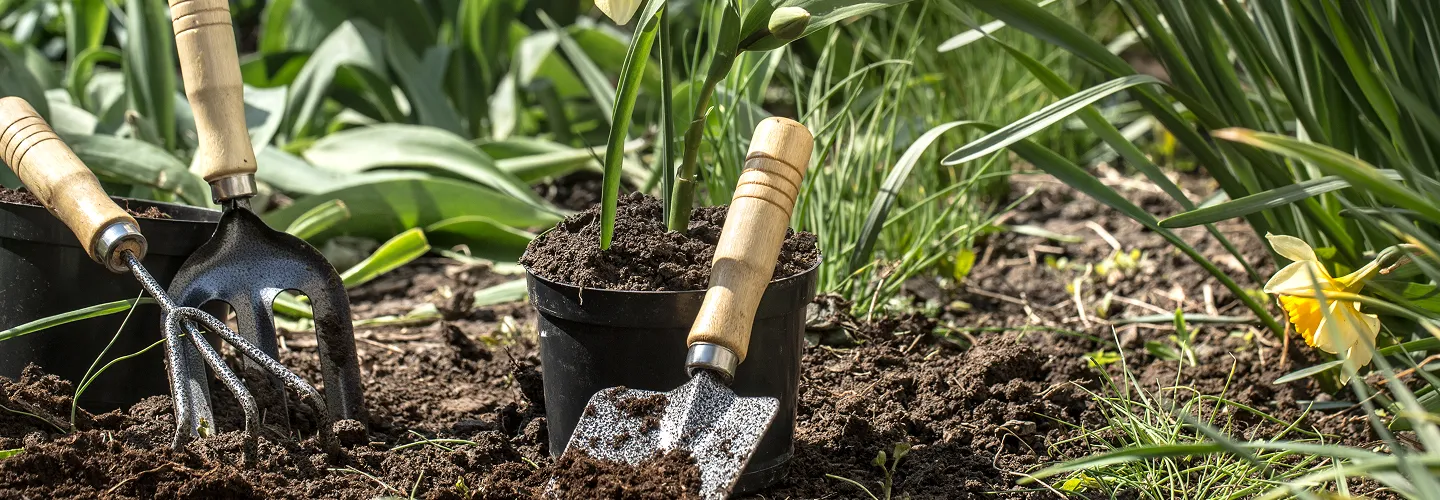
Central Scottsdale Lawn Leveling Services
Choose our expert lawn leveling services for a smoother, healthier yard that enhances curb appeal and makes maintenance a breeze—trusted by Scottsdale homeowners for precision and reliability.
Get a Free QuoteOur Central Scottsdale Landscaping & Yard Care Services
When to Schedule Lawn Leveling in Central Scottsdale, Arizona – Seasonal Guide
In Central Scottsdale, timing your lawn leveling project is crucial for achieving a healthy, even yard that thrives in our unique desert climate. The best periods for lawn leveling are typically late spring and early fall, when temperatures are moderate and the risk of extreme heat or unexpected frost is minimal. These windows allow grass to recover quickly and establish strong roots before the harsher summer or winter conditions set in. Neighborhoods near McCormick Ranch and Gainey Ranch, for example, often benefit from scheduling services after the last frost date in March or before the peak summer heat in June.
Local environmental factors play a significant role in determining the optimal timing for lawn leveling. Scottsdale’s sandy and clay-heavy soils, combined with low humidity and sporadic rainfall, can impact how well your lawn responds to leveling. Areas with dense shade from mature mesquite or palo verde trees, or properties bordering the Arizona Canal, may require special consideration due to varying moisture retention and sunlight exposure. Additionally, municipal watering restrictions and drought risk should be factored into your planning. For more information on local guidelines and resources, visit the City of Sudbury’s official site.
Local Factors to Consider for Lawn Leveling in Central Scottsdale
- Tree density and shade coverage (e.g., mature landscaping in Paradise Valley Village)
- Soil composition (sandy vs. clay-heavy areas)
- Seasonal precipitation patterns and drought risk
- Proximity to water features or canals
- Municipal watering restrictions and local ordinances
- Terrain slope and drainage characteristics
Benefits of Lawn Leveling in Central Scottsdale
Enhanced Curb Appeal
Improved Lawn Health
Efficient Water Drainage
Safe and Even Surfaces
Professional Expertise
Long-Lasting Results
Central Scottsdale Lawn Leveling Types

Topdressing Lawn Leveling
-
Laser Grading
-
Sod Removal and Regrading
-
Soil Compaction Correction
-
Power Raking Leveling
-
Fill and Seed Leveling
-
Drainage Correction Leveling
Our Lawn Leveling Process
Site Evaluation
Soil Preparation
Leveling Application
Compaction
Final Inspection
Why Choose Central Scottsdale Landscape Services
-
Central Scottsdale Homeowners Trust Us
-
Expert Lawn Maintenance
-
Reliable Irrigation Solutions
-
Competitive Pricing
-
Professional Team
-
Satisfaction Guarantee
-
Personalized Service
Coordinating Lawn Leveling Projects with Central Scottsdale's Development and Engineering Departments
Lawn leveling in Central Scottsdale involves correcting uneven turf surfaces caused by soil settlement, irrigation erosion, or original subdivision grading deficiencies. Because regrading work can alter surface drainage patterns on residential and commercial parcels, property owners should coordinate with the appropriate municipal departments before beginning significant leveling projects. The City of Scottsdale's Planning and Development division oversees site work review and can clarify whether a proposed leveling scope triggers any development-related review, particularly on parcels adjacent to drainage corridors or retention basins. For projects that may redirect surface water flow toward neighboring properties, washes, or public rights-of-way, residents should verify current requirements through the city's engineering review process.
- Confirm whether the scope of regrading requires a site work or grading review through Scottsdale Planning & Development
- Ensure that altered surface grades do not redirect stormwater toward adjacent parcels, public sidewalks, or storm drain inlets
- Coordinate with the city's environmental compliance programs if the property borders a wash or designated drainage easement
- Retain excess soil or fill material on-site or dispose of it through approved channels rather than depositing it in public rights-of-way
Scottsdale Planning & Development
7447 E Indian School Rd, Scottsdale, AZ 85251
Official Website: Scottsdale Planning & Development
How Central Scottsdale's Alkaline Soils and Caliche Layers Affect Lawn Leveling
Central Scottsdale sits within the Phoenix metro low-desert region, classified under USDA Hardiness Zone 10a, where extreme summer heat, alkaline sandy loam soils, and subsurface caliche formations directly influence lawn leveling outcomes. The predominant soils in this area tend to be calcareous, with pH levels commonly above 7.5, and may contain compacted subdivision fill imported during development. These conditions create several challenges for achieving a stable, even turf surface.
- Caliche obstruction: Hardpan caliche layers can sit just inches below the surface, preventing proper fill integration and causing leveling material to shift or settle unevenly after irrigation cycles
- Soil settlement in newer subdivisions: Imported fill used during construction often compacts at different rates than native desert soil, producing depressions that worsen over time
- Monsoon runoff erosion: Central Scottsdale receives intense monsoon rainfall from July through September, and improperly graded lawns can channel water toward foundations, walls, or neighboring properties
- Irrigation-driven erosion: Bermudagrass lawns in this area depend heavily on regular irrigation, and poorly leveled surfaces concentrate water flow into low spots, accelerating localized erosion and scalping on high points
The University of Arizona Cooperative Extension provides regionally specific guidance on turf management in alkaline, low-desert soils that applies directly to leveling preparation and post-leveling recovery.
Navigating Central Scottsdale's Stormwater and Grading Compliance for Lawn Leveling
Lawn leveling projects in Central Scottsdale must account for stormwater management regulations at both the municipal and state levels. The City of Scottsdale operates under Arizona's Phase II Municipal Separate Storm Sewer System (MS4) program, which requires that land-disturbing activities prevent sediment, soil, and debris from entering the municipal storm drain system. Even residential lawn regrading can trigger these obligations if loose fill material or irrigation runoff carries sediment into street gutters, curb inlets, or nearby washes. Property owners and contractors should review Arizona DEQ's stormwater guidance to understand applicable discharge prevention requirements.
- Sediment from leveling fill must be contained on-site using temporary barriers or stabilization measures during and after application
- Excess irrigation water following leveling should not carry soil or topdressing material into public storm drains or drainage channels
- Properties adjacent to washes, flood-control channels, or retention basins may face additional review through the city's environmental initiatives and compliance programs
- The Clean Water Act establishes the federal framework under which Arizona's MS4 stormwater protections operate
Scottsdale Environmental Initiatives, Sustainability & Compliance
7447 E Indian School Rd, Scottsdale, AZ 85251
Official Website: Scottsdale Environmental Initiatives, Sustainability & Compliance
Timing and Methods for Lawn Leveling in Central Scottsdale's Desert Climate
Professional lawn leveling in Central Scottsdale requires careful timing aligned with bermudagrass growth cycles and the region's extreme temperature patterns. The optimal window for leveling bermudagrass lawns falls during the active warm-season growth period, generally from late April through early June, before monsoon storms arrive and when turf can recover rapidly from topdressing applications. Leveling during dormancy or winter overseed periods risks smothering turf that lacks the vigor to grow through added material.
- Topdressing material: A clean, weed-free sand or sand-compost blend compatible with the existing soil profile is standard; avoid heavy clay-based fill that impedes drainage in alkaline desert soils
- Application depth: Each leveling pass should add no more than approximately one-half inch of material to allow bermudagrass stolons to grow through without suffocation
- Irrigation adjustment: Increase irrigation frequency temporarily after topdressing to settle material and prevent wind displacement, but monitor for runoff that could carry sediment off-site
- Scalping prevention: Address high spots by careful material redistribution rather than aggressive soil removal, which can expose shallow caliche or damage root zones
- Post-leveling mowing: Resume mowing only after new growth emerges through the topdressing layer, and maintain appropriate bermudagrass mowing heights as outlined in the University of Arizona Turfgrass Maintenance Guide
Multiple light applications over successive growing seasons produce more stable results than a single heavy application, particularly on properties with underlying settlement issues.
Scottsdale Water Conservation
Official Website: Scottsdale Water Conservation
What Neighborhoods Do We Serve Throughout Central Scottsdale, AZ?
- McCormick Ranch — Mature irrigated bermudagrass lawns on relatively flat lots near interconnected lakes and greenbelt corridors often develop settlement depressions that benefit from periodic leveling to maintain proper drainage away from lakeside edges.
- Gainey Ranch — Larger estate-style properties with extensive turf areas and established irrigation systems may experience uneven settling in imported fill soils, requiring careful grade correction to preserve drainage flow across expansive lawn panels.
- Old Town Scottsdale — Older residential parcels near the downtown core frequently have compacted, aging turf surfaces with grade irregularities caused by decades of irrigation use and root intrusion from mature landscape trees.
- Indian Bend Wash Corridor — Properties adjacent to the Indian Bend Wash greenbelt must account for flood-control easements and drainage sensitivity when performing any regrading, as altered surface flow could affect retention basin function.
- Scottsdale Ranch — Subdivision-era lots with common-area turf and individual lawn panels often show differential settlement patterns where original construction fill meets native desert soil profiles.
- Via Linda Corridor — Residential properties along this corridor contend with reflected heat from adjacent commercial hardscape and may require leveling to correct irrigation-driven erosion patterns on south- and west-facing lawn areas.